Definitions
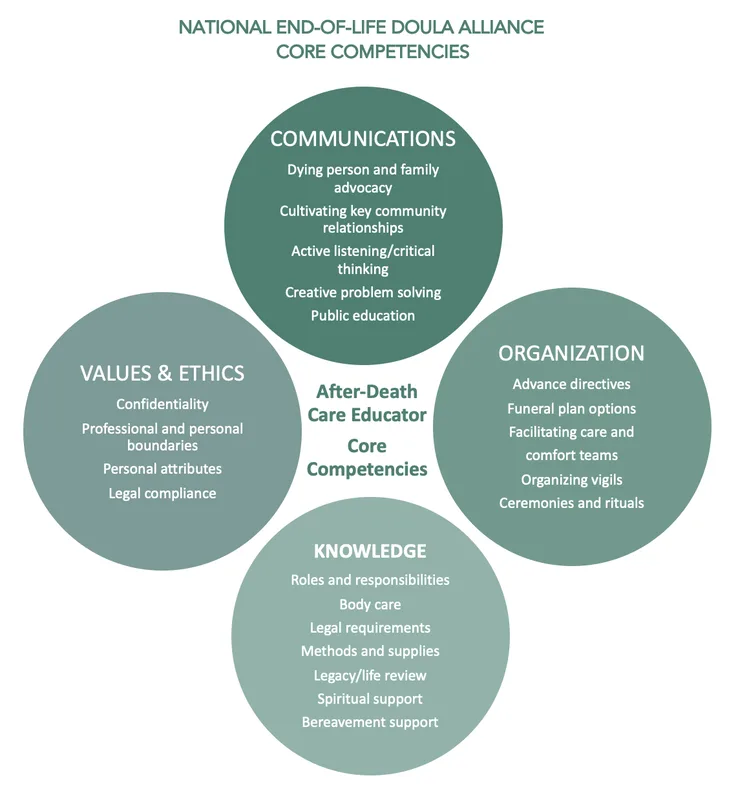
Core Competencies: A competency model is a framework for defining the skills and knowledge needed to demonstrate proficiency. Core competencies are a constellation of skills, both hard and soft, that define areas of measurable knowledge and skill. Competency models are widely used in the business and academic sectors to assess knowledge bases and skill sets that ensure standards for consistent, successful job and personal performance.
Curriculum: This refers to the lessons and academic content taught in a school or in a specific course or program, a planned sequence of instruction. It outlines the skills, performances, attitudes, and values that pupils are expected to learn from schooling; a defined and prescribed course of study.
Study Guide Outline: A study guide outline is designed to provide a framework for approaching the dissemination of the material that will be covered either in its entirety or as part of the overall course. Inclusion of these core competencies is not meant to limit or impede the offering of any other information or instruction by teachers who are responsible for their own course content.
The Proficiency Assessment for After-Death Care Educators evaluates understanding of each core competency. Choosing to take the test is entirely voluntary. Questions are in the form of multiple choice, short answer, and true or false. Candidates who receive a test score over 85 will be awarded a Badge of Proficiency for After-Death Care Educators that can be used on websites, brochures, email signatures, and any other written material.
COMMUNICATIONS AND INTERPERSONAL SKILLS
Advocacy
- Ensuring, when possible, that funeral plans are followed and client’s wishes are honored
- Promoting after-death care as a viable component of End-of-Life care
- Presenting informational talks to hospices, churches, and other local community groups about after-death care
Communication Skills
- Using appropriate After-Death Care terminology (see Clearly Defined: Matching Our Terminology to Our Intentions)
- Knowing how to talk about death in accessible, compassionate, and clear terms
- Using deep listening skills; maintaining eye contact
- Recognizing barriers to communication; using critical thinking and creative problem solving to overcome obstacles
- Recognizing and coping with resistance
- Facilitating family issues
- assisting the family members in saying good-bye
- knowing community resources for referral with situations of family dissonance, dysfunctional behaviors, domestic abuse, etc.
Collaborative Relationship Building with:
(see Building Bridges Along the Deathcare Continuum)
- Medical personnel
- Hospice team
- Care facility staff
- Clergy and spiritual leaders
- Funeral home representatives
- Medical examiner/county coroner
- Town, city, county and state government officials, including town and city clerks
- Cemetery and crematory personnel
- Other community connections
ORGANIZATION AND MANAGEMENT
Advance Directives
- General knowledge of advance directives, their purpose and importance
- Knowing when to refer to legal specialists for wills, powers of attorney, other instruments
Initial Planning Consultation
- Completing an intake consultation form
- including the dying individual whenever possible in the process
- discussing fears related to after-death care
- explaining what to do once death occurs
- Goal-setting and establishing patient priorities
- anticipating stumbling blocks and developing contingency plans
- assuring the family that they have the skills needed if they have been caring for the dying individual at home
- Assessing family needs and determining the role of the After-Death Care Educator
- communicating with the hospice team about the family’s plan for after-death care
- educating about funeral and disposition options
Logistical Support
- Explaining bodily changes that a family can expect to see when a person dies; signs and symptoms of impending death
- Recognizing and incorporating spiritual/religious/cultural practices of the client and family into after-death care plans
- offering suggestions for creating and holding safe and/or sacred space
- Supporting the family to identify and divide tasks
- acquiring alternate container for cremation, burial container, or shroud
- notifying friends and family
- communicating with funeral director, if applicable
- writing an obituary
- obtaining food/drink
- gathering and storing ice/gel packs or dry ice
- contacting celebrant, if desired. Collecting readings, etc.
- organizing photographs/music/flowers/candles/essential oils etc.
- Explaining how care team support and services work together by assisting with:
- organizing a care team of family and friends to prepare for after-death care
- integrating expectations with actions and timetables
- determining best methods for the family to communicate with others
- establishing decision-making processes
Professionalism
- Knowledge of After-Death Care Educator specific business practices
- accepted business norms
- what can be charged for legally
(see Essentials for Practicing Home Funeral Guides)
- what aspects/tasks must be volunteered
- clarity re: fees, payment schedules, bill of service
- communication of services to the general public
- Professional appearance and demeanor
- Credibility and personal accountability
- Optional information for business development
- General understanding of business models; how to set up
- Creating business forms: formal written agreements, contracts
- Tax considerations
- Insurance options
TECHNICAL KNOWLEDGE
After-Death Body Care
- Knowing when home after-death care is not an option
- How to lift, turn, bathe, dress, close eyes/mouth, and transport of a deceased person
- How to address special conditions of the body such as skin that tears or weeps or purging from the body
- Use of essential oils
- Use of universal precautions
- Creating physical environments that are ergonomically correct for workers, volunteers, families and friends
- Paying attention to sounds, smells, touch
- General understanding of procedures for a body that has been autopsied
- General understanding of procedures for organ/bone/tissue harvesting
- General understanding of the need for removal of a pacemaker
- How to wrap a shroud
- How to transport a body (through a home, out of a home, to a crematory or cemetery)
- Knowledge of cooling requirements re: dry ice, potential hazards, proper handling; Techni-ice or other brand(s) of cooling gel packs; room temperature; state refrigeration requirements for home after-death care
Bereavement
- Knowledge of the ways different people grieve, and how to provide comfort to them
- Availability to the family and friends after the funeral
- Awareness of members who may be struggling
- Knowing what to look for and when to refer for grief counseling
- Knowledge of spiritual/religious practices around death and death care
- Tools and projects for remembrance
After-Death Care Educators Roles and Responsibilities
- Continually adding to your body of knowledge
- Ensuring that special populations’ needs are served, especially the disabled, children, and the underserved
- Knowledge of institutional care facility (nursing homes, hospices, hospitals) expectations, policies, and protocols and body release policies
After-Death Care Educator Self-Care
- Setting and enforcing effective boundaries
- Recognizing symptoms of burnout, emotional fatigue
- Learning about techniques to avoid burnout; tools for self-care
Legal
- Knowing the difference between policies and laws in hospitals, hospices, and care facilities
- Laws Pertaining to After-Death Care Educator Practice
- certification and licensure limitations (https://www.nedalliance.org/about_eold_certification.html)
- after-death funeral practice regulation/licensing requirements by state
- general liability issues
- what constitutes practicing funeral directing without a license
- Laws Pertaining to Client & Family Rights
- knowing all laws in your state pertaining to family-directed funerals
- knowing who in your state can pronounce and certify death and how to contact him/her
- knowing the procedure for completing and filing the death certificate
- knowing the procedure for obtaining burial/transport permit
- knowing the procedure for obtaining cremation authorization
- knowing the procedure for reporting to local and government agencies
- knowing legal requirements for unattended deaths
Spiritual Support
- Addressing patient and family concerns and fears
- recognizing others’ emotions and perspectives
- supporting original patient spiritual goals
- Designing or assisting the family in developing ceremonies and rituals
- readings, music, poetry bank to share
- Guiding families in designing environments, rooms, spaces
- Life review/legacy projects
- Completing conversations including forgiveness, thank you, and farewells (thank you, I forgive you, please forgive me, I love you)
- Knowing when and how to refer to spiritual counselors, clergy
- Working knowledge of major religious/spiritual death traditions
VALUES & ETHICS
Confidentiality
- Basic knowledge of HIPAA regulations as they pertain to patient confidentiality; who can be privy to what and when, even after death
- Established systems and methods for accommodating requirements
Ethical Behavior
- Setting professional boundaries
- scope of practice and limitations of the After-Death Care Educator role
- professional behavior consistent with established ethical practice
- Maintaining personal boundaries
- self-awareness and insight into personal attributes and limitations; appropriate behavior for the role
- recognizing transference and countertransference issues in client relationship (projecting/transferring your thoughts/emotions/motivations onto client and vice versa)
- modeling appropriate demeanor
- Developing core ethical qualities of After-Death Care Educators
- integrity, honesty, fairness, transparency, accountability
- Respecting legal parameters
- awareness of and adherence to local, state and federal laws as they pertain to funerals